
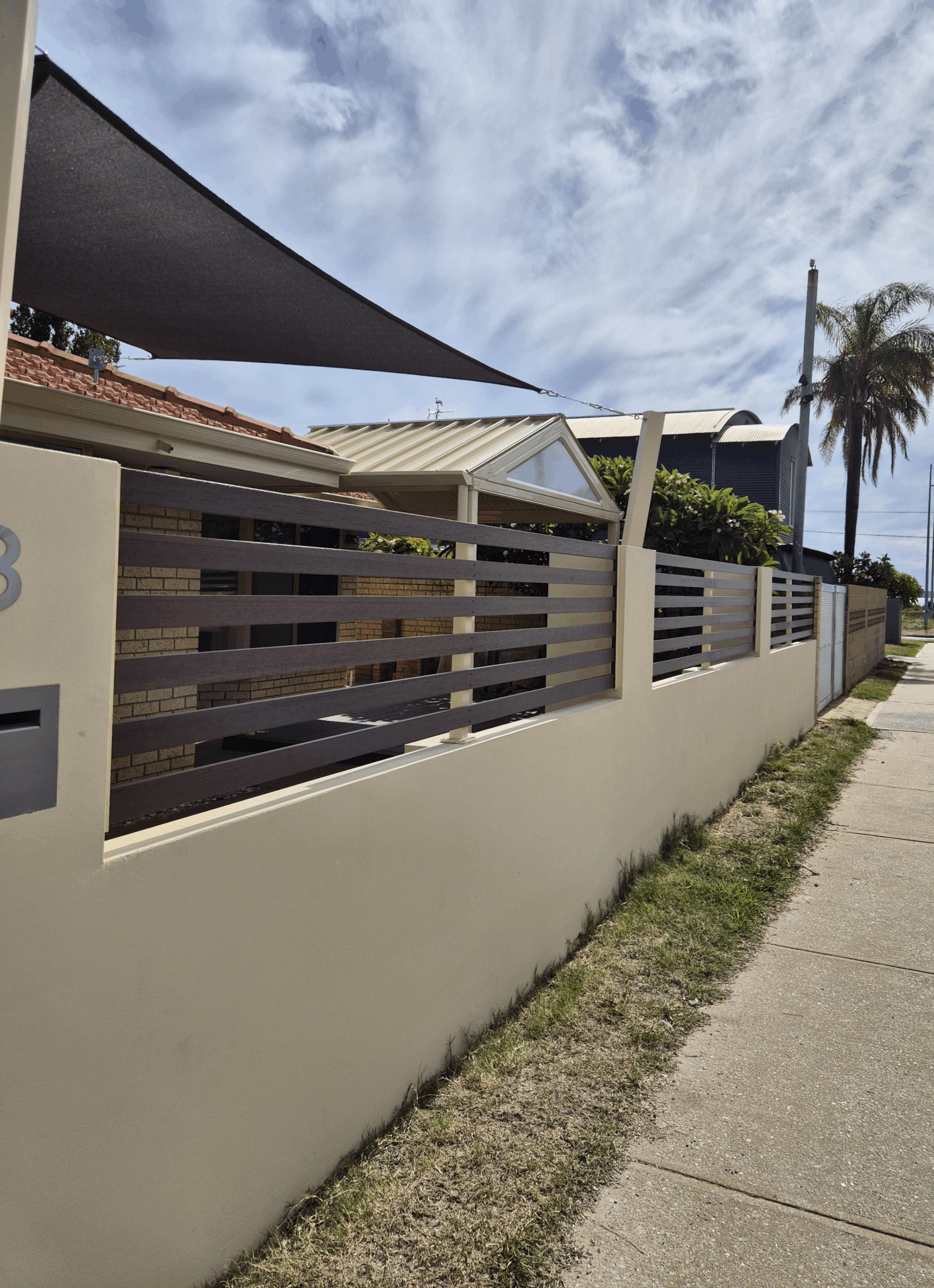
For many Perth homeowners, choosing the right type of fencing is more than just a cosmetic decision. It’s about long-term durability, low maintenance and making sure it suits our Western Australian conditions. If you’re exploring your options, composite fence panels are fast becoming one of the top choices for residential and even light commercial settings.
So what exactly are composite fence panels, and why are more Australians choosing them over traditional timber or metal solutions? This article answers that question in depth, giving you practical insight into how these panels work, where they can be used, and why they might suit your property in WA.
What Are Composite Fence Panels?
Composite fence panels are made from a blend of recycled wood fibres and plastic. This combination creates a material that offers the natural look of timber, but with added strength and resistance to the elements. Most composite products used in WA today, including fencing and screening systems, are designed specifically to handle harsh sunlight, salty coastal air and fluctuating temperatures.
The panels are typically available in slatted or solid profiles, often pre-finished in neutral colours like charcoal, walnut or weathered grey. They’re built to slot into aluminium posts or custom framework systems and can be used both horizontally and vertically, depending on the desired design.
This hybrid nature gives composite fence panels the best of both worlds: the appearance of wood without the ongoing hassle of painting, oiling or warping.
Benefits of Composite Fence Panels in Western Australia

There are several reasons why composite fencing has become so popular, particularly in Perth suburbs like Port Kennedy, Secret Harbour and Rockingham:
1. Low Maintenance
Traditional timber fences need regular oiling, staining and repair. Composite fence panels, by contrast, require minimal upkeep. A simple hose-down or soft brush is usually all that’s needed to keep them looking fresh.
2. Durability in Harsh Conditions
WA’s UV levels are among the highest in the world, and sea spray is a reality for many coastal homes. Composite fence panels are engineered to resist fading, cracking and corrosion, making them ideal for salty and sunny conditions.
3. Aesthetic Flexibility
With options for slatted screening, full privacy walls or decorative inlays, composite fencing gives you a modern and clean-lined look. It can complement decking or ceiling lining projects using similar materials, such as composite screening or Quickboard ceiling panels.
4. Eco-Conscious Choice
Many brands use recycled materials in production. For example, companies like NewTechWood and Eva-Last prioritise sustainable manufacturing, making composite fence panels an environmentally responsible choice.
Common Uses for Composite Fence Panels

There’s no one-size-fits-all approach when it comes to fencing in WA. Fortunately, composite fence panels can be adapted for a wide range of applications:
Residential Boundary Fencing
Perfect for replacing old Colorbond or timber fences, especially when neighbours want a modern, shared solution that doesn’t require ongoing treatment.
Feature Walls in Alfresco Areas
Composite panels can also act as a design feature, creating privacy screens between dining areas or pool zones without fully enclosing the space.
Screening for Utilities or Rubbish Bins
Slimline composite panels are ideal for screening off air conditioning units, bins or storage areas. They’re lightweight, neat and non-rusting.
Balcony Privacy Screens
Whether it’s a second-storey home in Mandurah or a townhouse in Fremantle, composite fencing can create visual privacy without blocking airflow.
Commercial Light-Duty Applications
In hospitality or retail, composite fence panels are often used for customer zones, bin enclosures or car park screening, providing an upmarket finish without the need for repainting.
Composite Fencing vs Timber and Metal Options
You might be wondering how composite fencing stacks up against other common materials. Here’s a quick comparison:
| Feature | Composite Fencing | Timber | Metal (e.g., Colorbond) |
|---|---|---|---|
| Maintenance | Very low | High | Moderate |
| Lifespan (WA conditions) | 15–25 years | 5–12 years | 10–20 years |
| Termite Resistance | Yes | No | Yes |
| Rot / Rust Resistant | Yes | No | Not always |
| Paint or Stain Required | No | Yes | Occasionally |
| Recyclable / Eco | Often (check brand) | Yes (if untreated) | Partially |
As you can see, composite fence panels offer excellent longevity with minimal fuss. That’s why they’re showing up more frequently in newly built homes and renovation projects across WA.
What to Consider Before Choosing Composite Fence Panels

Even though composite fencing offers many advantages, it’s not for everyone. Here are a few things to keep in mind:
Initial Cost: Composite panels typically cost more upfront than timber. However, they pay off over time with reduced maintenance and replacement costs.
Installation Requirements: Some composite systems require specific posts, top caps or fixings. Always follow the product’s installation guide or work with an experienced installer.
Council or Strata Rules: If you’re in a strata-managed property or heritage area, check for height limits and material restrictions before going ahead.
If you’re in WA, especially in regions like Rockingham or Safety Bay, it’s worth checking how coastal conditions might affect your fencing choice. Composite options tend to perform well over time, but site-specific advice never hurts.
Do Composite Fence Panels Comply with Australian Standards?
Yes, most quality composite fencing products used in Australia conform to relevant building codes and performance standards. However, it’s important to ensure your supplier provides materials that meet or exceed UV resistance, structural integrity and fire safety benchmarks.
It’s also worth noting that many composite products are backed by long warranties, ranging from 10 to 25 years depending on the brand.
Where to See Composite Fence Panels Up Close
While you can browse styles online, nothing beats seeing the product in real life. If you’re located in WA and want to explore different finishes, slat widths or colours, look for suppliers with a showroom or display area.
You can also view related materials, such as composite screening or hybrid flooring, to create a consistent look across your home or renovation project.
Final Thoughts
Composite fence panels offer a durable, low-maintenance and visually striking alternative to traditional timber or metal fencing. For many WA homeowners, the added resilience to UV, wind and coastal conditions makes them a smart, long-term investment.
If you’re thinking about upgrading your fencing or want to explore other low-maintenance options for outdoor living, Renewscape has a range of product categories and materials designed for Western Australian homes. To speak with someone about your fencing plans or see the range in person, feel free to contact us or visit the Port Kennedy showroom.
