
If you’ve been researching ways to refresh or protect your home’s exterior, you may have come across the term castellation cladding. It’s become a popular choice in Perth and across Western Australia thanks to its modern aesthetic, durability and ease of maintenance. We’ll walk you through what castellation cladding actually is, why it’s different, and how it compares to other types of external cladding available today.
Whether you’re renovating a beachfront home in Safety Bay or building new in Port Kennedy, understanding the range of cladding options can help you make the right decision—both visually and structurally.
What is Castellation Cladding?

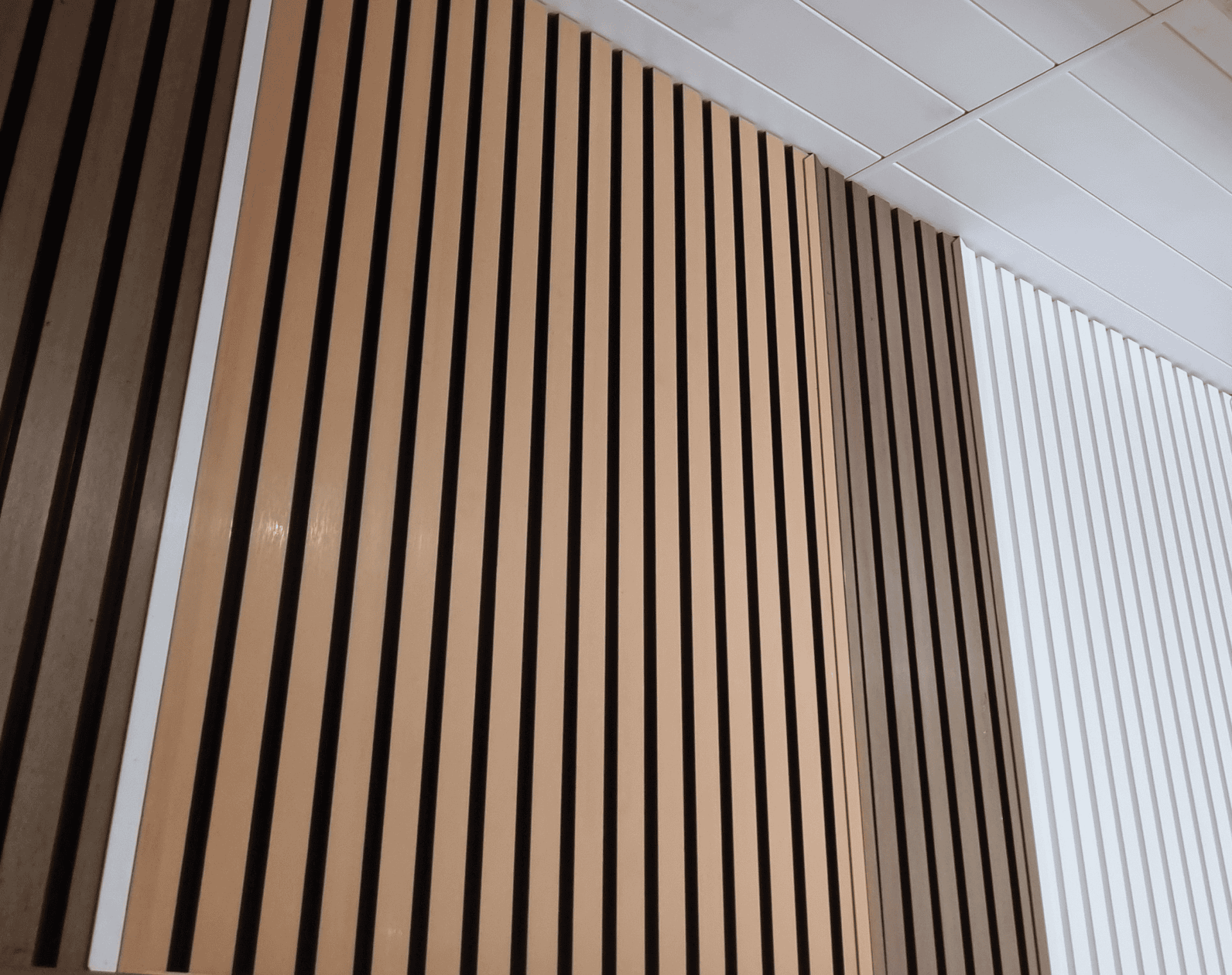
Castellation cladding refers to a style of exterior paneling characterised by its repeated, geometric ribbed profile. The word “castellation” comes from the notched patterns found in castle battlements, but in modern architecture, it’s more about sleek lines and eye-catching shadows.
These cladding boards are typically installed vertically or horizontally, creating a clean and striking facade. In Perth homes, it’s often used to add texture to feature walls, entryways or upper-storey elevations, particularly when aiming for a contemporary or coastal look.
Materials used in castellation cladding often include composite timber or PVC, which are ideal for Australian conditions. Products like NewTechWood’s Castellation range or PermaTimber’s CX Series are UV-rated and highly resistant to moisture and salt air, making them well suited to homes near the sea.
Why Choose Castellation Cladding for Your Home?
Castellation cladding doesn’t just look good. Here’s why it continues to grow in popularity across WA:
Low Maintenance: Unlike timber, composite castellation boards don’t need sanding, oiling or staining.
Weather Resistance: High UV resistance and durability in coastal environments make it ideal for homes along the Western Australian coastline.
Thermal Efficiency: It can add an extra layer of insulation when installed correctly.
Modern Design: Its ribbed profiles add architectural detail without the need for heavy ornamentation.
As a result, more homeowners are including castellation cladding in renovation projects or new builds, especially where curb appeal and durability are top priorities.
Comparing the Different Types of External Cladding

Let’s look at how castellation cladding stacks up against other types of external cladding commonly used in the Perth region:
Timber Cladding
Once the go-to material for WA homes, timber cladding offers a warm, natural look. But with increasing awareness of environmental impacts and maintenance concerns like warping, termites and rot, many are turning to composite alternatives.
Composite Cladding
Composite cladding blends recycled wood fibres with plastic polymers to offer a sustainable, low-maintenance alternative to timber. It’s ideal for harsh Australian climates, offering long-term performance with less upkeep.
Brands like NewTechWood, Eva-Last and Permatimber offer composite cladding in a variety of textures and colours, including realistic timber-look finishes. Some are even bushfire-rated, which is essential for compliance in WA’s regional zones.
PVC Cladding
PVC is popular in ceiling lining and internal wall features, but also has exterior options like PermaTimber’s CX Series. It’s UV-stabilised, easy to install and suitable for shaded alfresco zones or exposed walls.
While not as premium-looking as composite timber, it’s an affordable, moisture-resistant solution.
Fibre Cement Cladding
Hardy and weatherproof, fibre cement is frequently seen in WA home builds. While it offers a smooth, painted finish, it lacks the texture and warmth of castellation or timber-look options. It does, however, perform well in fire zones and is low maintenance.
Metal Cladding
Aluminium and steel cladding are increasingly used in commercial or architectural builds, offering a slick industrial aesthetic. For residential homes, they’re less common unless used as feature panels.
Castellation Cladding: Is It Right for You?

Choosing the right cladding depends on your priorities—whether it’s low maintenance, environmental sustainability, appearance, or all of the above. Here’s when castellation cladding might be your best bet:
You want a statement facade or feature wall
You live near the coast and need high UV and salt-resistance
You prefer something modern but still warm in appearance
You want a non-timber material that still mimics natural textures
You’re building or renovating in compliance with BAL (Bushfire Attack Level) ratings and want options that meet requirements
Many WA homeowners are combining castellation cladding with contrasting materials—like smooth render or painted brick—to achieve visual interest while maintaining weather protection.
Installation Considerations for Perth Homes

Here in WA, it’s critical that cladding is installed according to Australian Standards and manufacturer guidelines. Incorrect fixings, poor battens or a lack of ventilation can all reduce lifespan and cause issues down the track.
Things to consider:
Always use H3-treated pine or approved batten systems for durability and termite resistance
Ensure correct spacing to allow for expansion in WA’s high temperatures
Confirm product suitability for your bushfire rating zone if required
If you’re living in an oceanside suburb like Rockingham or Safety Bay, choose UV-rated cladding materials and aluminium trims to withstand salt air and exposure. Composite cladding systems like Eva-Last Vista or NewTechWood’s Shadowline and Castellation series are excellent choices for these conditions.
Tips for Maintaining External Cladding
Although most modern types of external cladding are designed to be low maintenance, regular cleaning can extend their life and appearance.
Annual Wash-Down: Use a gentle soap and soft bristle brush to remove dust, pollen and salt.
Avoid Pressure Washing: High-pressure hoses can damage surface coatings or cause ingress into gaps.
Inspect Joints: Look for movement or gaps, especially after summer. Composite materials expand and contract more than brick or render.
Final Thoughts: Should You Choose Castellation Cladding?
As Perth’s building styles continue to evolve, so too does the range of cladding materials on offer. Among all the types of external cladding, castellation stands out for its combination of visual impact, minimal upkeep and suitability for coastal or contemporary homes.
Whether you’re updating your facade or planning a new feature wall for your alfresco area, it’s worth exploring the castellation options available right here in WA.
If you’re unsure which product suits your home, or want to view samples in person, you’re welcome to drop into our Port Kennedy showroom. We’ve got a wide selection of cladding styles and colours on display, with friendly guidance to help you find the right fit for your project.
